Bathroom Renovation in Gloucester: A Practical Planning Guide
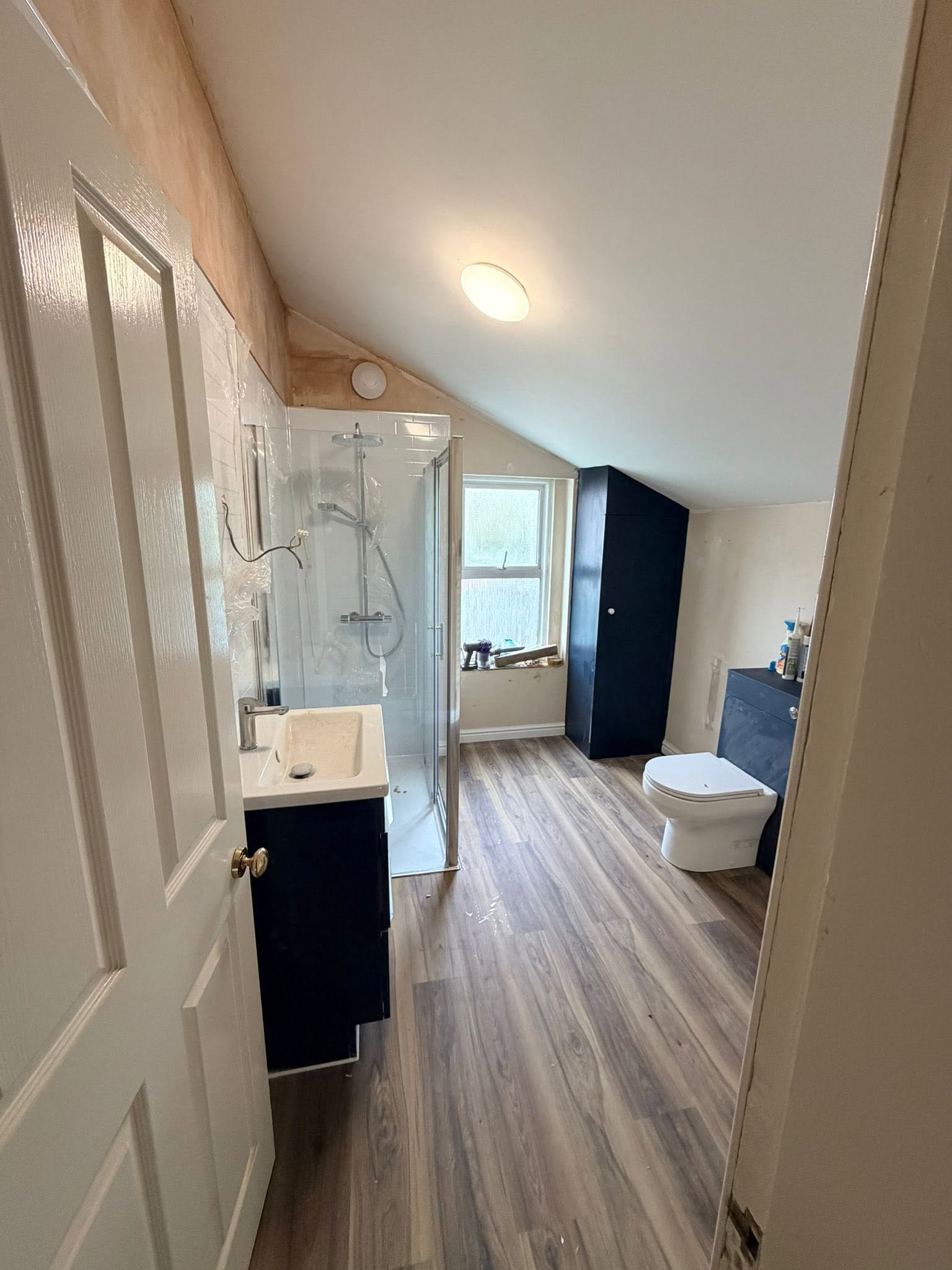
A bathroom that feels cold, damp or dated has a way of nagging at you every single day. The tiles you keep meaning to sort, the extractor fan that never quite clears the steam, the layout that wastes half the room. If you're weighing up a bathroom renovation in Gloucester, this guide walks you through the decisions that matter, the order things should happen in, and how to avoid the mistakes that turn a straightforward job into a stressful one.
Start with the problem, not the pictures
It's tempting to open with tile samples and taps, but the best renovations start by naming what's actually wrong. A room that stays damp usually has a ventilation or waterproofing issue behind it, and no amount of new tiling will fix that if the underlying cause is ignored. A layout that feels cramped might be solved by moving a single fixture rather than knocking anything about.
Before you spend on finishes, get clear on three things:
- What frustrates you now. Cold surfaces, poor light, wasted space, mould in the grout, a bath you never use.
- What you actually need. A family bathroom has very different demands to an en-suite or a downstairs shower room.
- What you're willing to change structurally. Moving the soil pipe, relocating the toilet, or swapping a bath for a walk-in shower all affect cost and time.
Getting honest about these early means the design serves how you live, not just how the room looks in a photo. Several of the bathrooms we've worked on started as spaces the owners felt genuinely ashamed of, and the turnaround came from solving the root problems first, then making it beautiful.
Understand the real order of work
One reason bathroom projects go wrong is people underestimate how many trades a small room involves. A single bathroom can touch plumbing, electrics, plastering, tiling, and ventilation, and each stage depends on the one before it. Rushing or skipping a step usually shows up later as a leak, a cracked tile, or a fan that trips the circuit.
A typical sequence looks like this:
- Strip out. Old suite, tiles and sometimes plaster come off so the room can be assessed properly.
- First fix. Pipework and cabling are run to where the new fixtures and lights will sit. This is the point to lock in your layout, because moving things later is expensive.
- Boarding and waterproofing. Wet areas are tanked so moisture can't reach the structure behind.
- Plastering. Walls and ceilings are made good ready for tiling and painting.
- Tiling. Floors and walls go in, with attention to falls and grout lines.
- Second fix. The suite, taps, shower, lights and extractor are connected and tested.
- Finishing. Sealing, painting, and the small details that make the room feel finished.
When one person oversees this whole run, the stages join up cleanly. When work is split across separate contractors who never speak to each other, that's where gaps appear. Having a hands-on tradesman rather than a chain of subcontractors keeps the sequence tight and accountable.
Fixing cold and damp properly
Around Gloucester, the calls for cold, damp bathrooms pick up through autumn and winter, and it's usually the same story. The room feels miserable, condensation sits on the walls, and black mould keeps returning no matter how often it's wiped.
A lasting fix rarely comes from one thing. It's the combination that works:
- Ventilation that actually moves air. An extractor needs to be the right rating for the room and vented properly to outside, not into a loft space.
- Proper waterproofing behind tiles. Tanking wet zones stops moisture tracking into plaster and studwork.
- Warmth in the surfaces. Underfloor heating or a well-placed heated towel rail keeps surfaces above the temperature where condensation forms.
- Sound sealing. Silicone that's applied well and maintained stops water creeping into gaps around the bath, basin and shower tray.
If your current bathroom keeps growing mould, treat it as a symptom rather than a decorating problem. Painting over it buys a few months at most. Solving the moisture path is what makes the difference between a room that stays fresh and one that slides straight back.
Planning a bathroom renovation in Gloucester?
Call us on 07969 359683 for a free, no-obligation quote — or WhatsApp us directly.
Set a realistic budget and know what drives it
Bathroom costs vary widely because so much depends on your choices and the state of the existing room. Rather than fixate on a single figure, it helps to understand what actually pushes a budget up or down.
The biggest cost drivers tend to be:
- Moving plumbing. Keeping fixtures roughly where they are is far cheaper than relocating the toilet or shower.
- Hidden repairs. Rotten floorboards, old pipework or damaged plaster found during strip-out add to the scope.
- Finish level. Large-format tiles, natural stone and premium brassware cost more to buy and more to fit well.
- Structural changes. Removing a wall or reconfiguring the space brings in extra trades and time.
One genuine advantage of working with a smaller, local outfit is that you aren't paying for offices, call centres and layers of management baked into the price. With MNM you get the same standard of work without those overheads, which means more of your budget goes into the room itself rather than a company's running costs.
Choosing between a refresh and a full renovation
Not every tired bathroom needs stripping back to the joists. Deciding between a lighter refresh and a full renovation saves money and avoids over-spending on a room that only needed a lift.
A refresh may be enough if the layout works, the suite is sound, and the tiredness is cosmetic. New sealant, regrouting, fresh paint, updated taps and a better light can transform how a room feels for a fraction of a full rebuild.
A full renovation makes more sense when:
- the layout genuinely doesn't work for your household;
- there's damp, mould or water damage that keeps returning;
- the suite is beyond cosmetic help;
- or you're changing the room's purpose, such as turning a bathroom into a shower room.
If you're unsure which camp you fall into, that's exactly the kind of thing worth talking through before committing. A good tradesman will often come back with a solution that's better than what you'd pictured, sometimes solving the problem more simply than you expected.
Small details that separate a good job from a great one
The difference between an average bathroom and one you love usually lives in the details most people don't notice until they're wrong.
- Tile setting out. Starting tiles in the right place so you avoid awkward slivers in the most visible spots.
- Even grout lines and clean silicone. These are the things your eye lands on every day.
- Practical storage. Recessed shelving or a well-sized vanity keeps clutter off surfaces.
- Lighting layers. A bright main light plus softer task lighting around the mirror makes the room usable morning and night.
- Falls on the floor. In a wet room especially, water needs to reach the drain, not pool in a corner.
These are the marks of care rather than corner-cutting, and they come from doing the work methodically. A background built on military precision tends to show up here, in the parts of a job that only matter because someone bothered to get them right.
What to ask before you commit
Before any work starts, a few straight questions protect you and set expectations:
- Who will actually be doing the work day to day?
- How will unexpected issues found during strip-out be handled and priced?
- What's the plan for ventilation and waterproofing, not just the visible finishes?
- Roughly how long will the room be out of use?
Clear answers to these tell you a lot about how a job will run. You want someone who talks openly about the practical realities rather than glossing over them.
Frequently asked questions
How long does a bathroom renovation take? Most full renovations run over one to two weeks depending on the size of the room, whether plumbing is being moved, and what's uncovered during strip-out. A lighter refresh can be quicker.
Do I need to be home while the work happens? Not for the whole time, but it helps to be reachable for decisions, especially when something unexpected turns up behind old tiles or under the floor.
Can a small bathroom still be transformed? Absolutely. Some of the biggest improvements come from smart layout choices, better light and proper ventilation rather than square footage.
"He has transformed what was a cold damp and grotty bathroom I was ashamed of into being my favourite room in my house. Thank you Matt, you're a star."— Meg Seg, Gloucester, Google Review
The next step
A good bathroom renovation is really about solving the right problems in the right order, then finishing them with care. If you've got a room in Gloucester or across Gloucestershire that's cold, dated, or just not working the way you need it to, the sensible starting point is a conversation about what's actually wrong and what a realistic fix looks like. MNM is family-run and hands-on, so you'll be dealing directly with the person doing the work, not passed between a call centre and a subcontractor. Get in touch to talk through your bathroom and the options that suit your space and budget.