Landlord EICRs in Gloucester: What They Cover and How to Stay on Top of Them
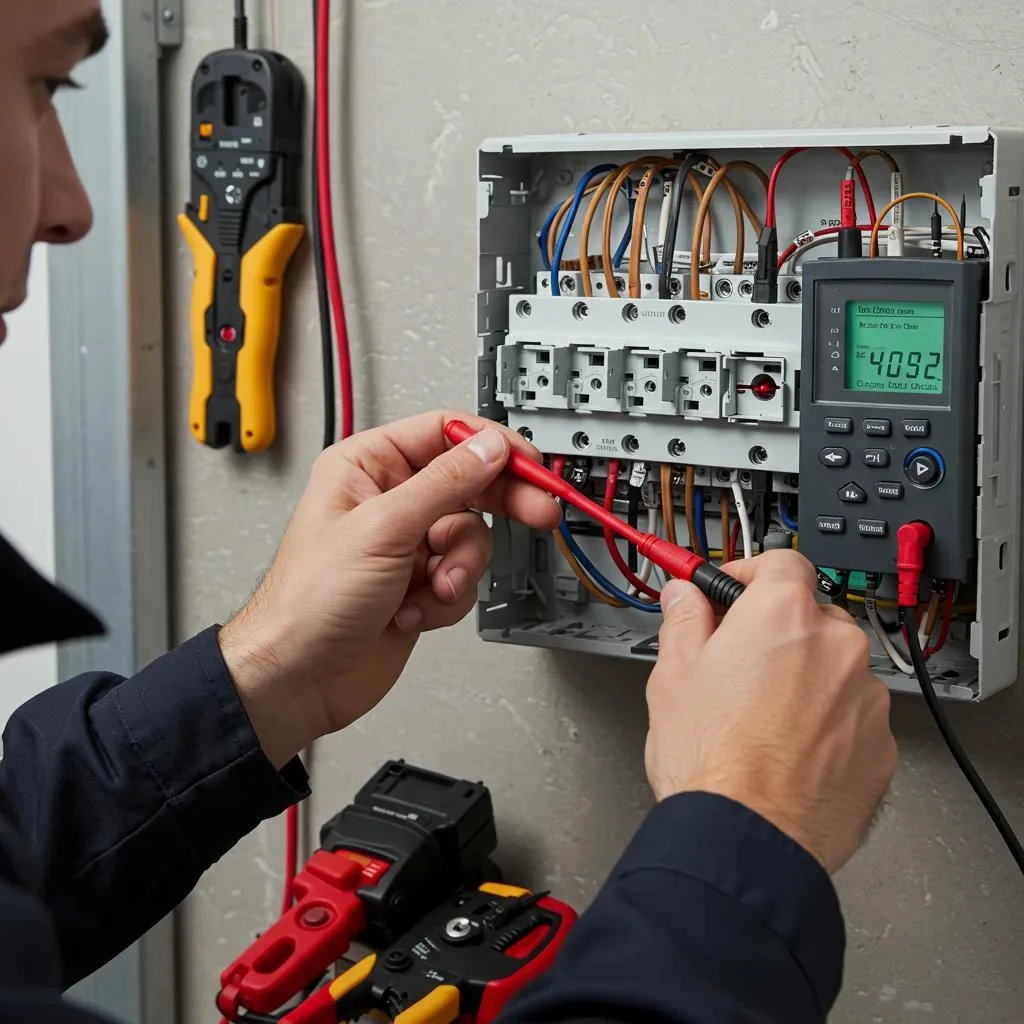
It's a wet Tuesday morning in Gloucester and I'm in a rented terrace off Barton Street, torch in hand, looking at a fuse board that was probably last touched when flares were in fashion. The landlord called me because a tenant mentioned the lights flickering. One quick look told me the whole installation was overdue a proper check.
If you own even one rental property, this is the kind of thing that keeps you up at night. So let me save you some stress and explain exactly what an EICR is, what it covers, and how to stop it becoming a headache.
This is the boring stuff before the pretty stuff, but for landlords it's the stuff that keeps your tenants safe and keeps you on the right side of your legal duties. I'll keep it plain-spoken and practical.
What an EICR actually is
EICR stands for Electrical Installation Condition Report. In plain English, it's a thorough health check of the fixed electrical system in a property: the wiring, the consumer unit (the fuse board), the sockets, the switches, and the earthing and bonding that keep everything safe.
It is not a quick glance. A proper EICR means testing circuits, checking connections, and recording the condition of the installation against current safety standards. At the end you get a report that either confirms the installation is satisfactory or flags what needs attention.
Here's the honest answer on why it matters: as a landlord in England you have a legal duty to make sure the electrical installations in your rental are safe, and to have them inspected and tested at regular intervals by a qualified person. An EICR is how you prove you've done that.
How to read the codes on your report
When you get your report back, the findings are given codes. These trip a lot of landlords up, so here's what they mean in practice:
- C1 — Danger present. There's a risk of injury right now. This needs sorting immediately, and a decent electrician will usually make it safe on the spot.
- C2 — Potentially dangerous. Not an immediate risk, but it could become one. This needs remedial work.
- C3 — Improvement recommended. Not dangerous, but it would be better brought up to modern standards. You don't have to act on these to get a satisfactory outcome, but they're worth knowing about.
- FI — Further investigation required. Something needs a closer look before a verdict can be given.
A report comes back as satisfactory or unsatisfactory. If you see any C1, C2 or FI codes, it's unsatisfactory, and the flagged work needs doing before you've properly met your obligations.
A quick word on scare tactics. Some outfits love to pile up C3s and dress them as urgent so the remedial bill balloons. I don't work that way. If something is genuinely a C3 and can wait, I'll tell you it can wait.
Why the inspector's qualification matters
Anyone can wave a tester around. Not everyone is qualified to inspect and test to the right standard. Our electrical work is carried out to the City & Guilds 2391 standard, which is the recognised qualification for inspection and testing. That matters because an EICR is only as good as the person interpreting the results.
The difference shows up in the detail. A rushed inspection might miss a borrowed neutral, a dodgy earth, or a consumer unit that's been bodged over the years. Those are exactly the faults that turn into real danger in an occupied property.
If you want to understand more about how we approach testing and electrical work generally, our Gloucester electrician service page covers EICRs, fuse board upgrades and rewires in one place.
What tends to show up in older Gloucester properties
Gloucester and the surrounding villages have a lot of older housing stock, and the rental market is full of it. Period terraces, converted houses, solid-wall cottages. These properties often hide a few recurring electrical surprises.
The usual suspects I find:
- Old rubber or fabric wiring that has gone brittle with age and needs replacing.
- Outdated consumer units with rewireable fuses instead of modern breakers and RCD protection.
- Poor or missing earthing and bonding, especially around older plumbing in kitchens and bathrooms.
- Previous DIY additions where extra sockets or lights have been added over the decades without proper testing.
- Signs of overloading on circuits that were never designed for modern appliance loads.
None of this means an older property is a lost cause. It just means it needs careful, experienced handling rather than a tick-box visit. The same care I'd give the fabric of an old building applies to its wiring.
Managing EICRs across a portfolio
If you've got a handful of rentals, or more, the admin alone can be a drag. Different properties, different renewal dates, different tenants to coordinate access with. This is a big part of what I do for landlords and property managers, and it's where having a single point of contact really earns its keep.
Ask yourself these before your next renewal:
- Do you know the date each property's current report expires?
- Have the remedial items from the last report actually been completed and documented?
- Can you lay your hands on the certificates quickly if asked?
- Is the same person handling the inspection and the remedial work, or are you chasing two separate trades?
That last point is the one landlords underestimate. When the same team inspects and carries out any remedial work, there's no finger-pointing, no waiting weeks for a second firm, and no mystery about what was found and fixed. Our in-house team means no external companies turning up, no subcontractors, and no hidden extras bolted on after the fact.
Because we cover far more than electrics, the same trusted team can handle the plumbing, roofing or general handyman and small maintenance jobs that property managers juggle alongside safety checks. One call instead of five.
Booking a landlord EICR in Gloucester
If you own or manage rental property in Gloucester or the surrounding villages and you're not sure where your EICRs stand, call or WhatsApp me on 07969 359683 for a free, no-obligation quote. I personally visit the sites rather than sending a stranger, so you're dealing with the person who actually does the work.
How to prepare the property for inspection
A little prep makes the visit faster and cheaper, because the electrician isn't stuck waiting around.
Before the appointment:
- Let tenants know the power may go off for short periods during testing.
- Make sure there's clear access to the consumer unit, sockets and the meter.
- Flag any known issues up front, like a socket that's stopped working or a breaker that keeps tripping.
- Have details of any recent electrical work handy if you can.
The clearer the access, the smoother the day, and the sooner your tenants have their kettle back on.
Common questions
How often does a rental need an EICR?
The inspection and testing needs to happen at regular intervals as part of your duty as a landlord, and typically a report will state when the next inspection is due. I'll always tell you the recommended next date on your report so nothing lapses by accident.
My report came back unsatisfactory. What now?
Don't panic. It means there are coded items to address. We'll talk you through exactly what each one is, what it costs, and what genuinely needs doing versus what's a nice-to-have. Once the required work is complete, the installation can be confirmed as satisfactory.
Can the same inspection be used when I sell or remortgage?
An EICR gives a clear picture of the installation's condition, which is useful information to have on hand. For specific legal or lending requirements, check with your solicitor or lender, but having a recent, clean report rarely hurts.
Do you only do EICRs, or the remedial work too?
Both. We carry out the inspection and any resulting fuse board upgrades, rewires or repairs with the same in-house team, so you're never left chasing someone else to finish the job.
What if a tenant reports an urgent electrical fault between inspections?
Flag it straight away. A flickering light or a tripping breaker can be a symptom of something that shouldn't wait. We'd rather take a quick look than let it turn into a C1.
The practical takeaway
An EICR isn't red tape for the sake of it. It's the honest, no-nonsense way to know your rental's wiring is safe and to prove you've done right by your tenants. Get them done properly, keep track of the renewal dates, act on the genuine C1 and C2 items, and ignore anyone trying to inflate the bill with scare tactics.
If you'd like a straightforward EICR quote with no hidden extras, and someone who's actually on the tools to do the work, give MJ Maintenance a call or WhatsApp on 07969 359683, or get in touch through the website. I'll give you the honest answer on what your property needs and nothing it doesn't.