Why Summer Is the Best Time to Get Your Roof Inspected
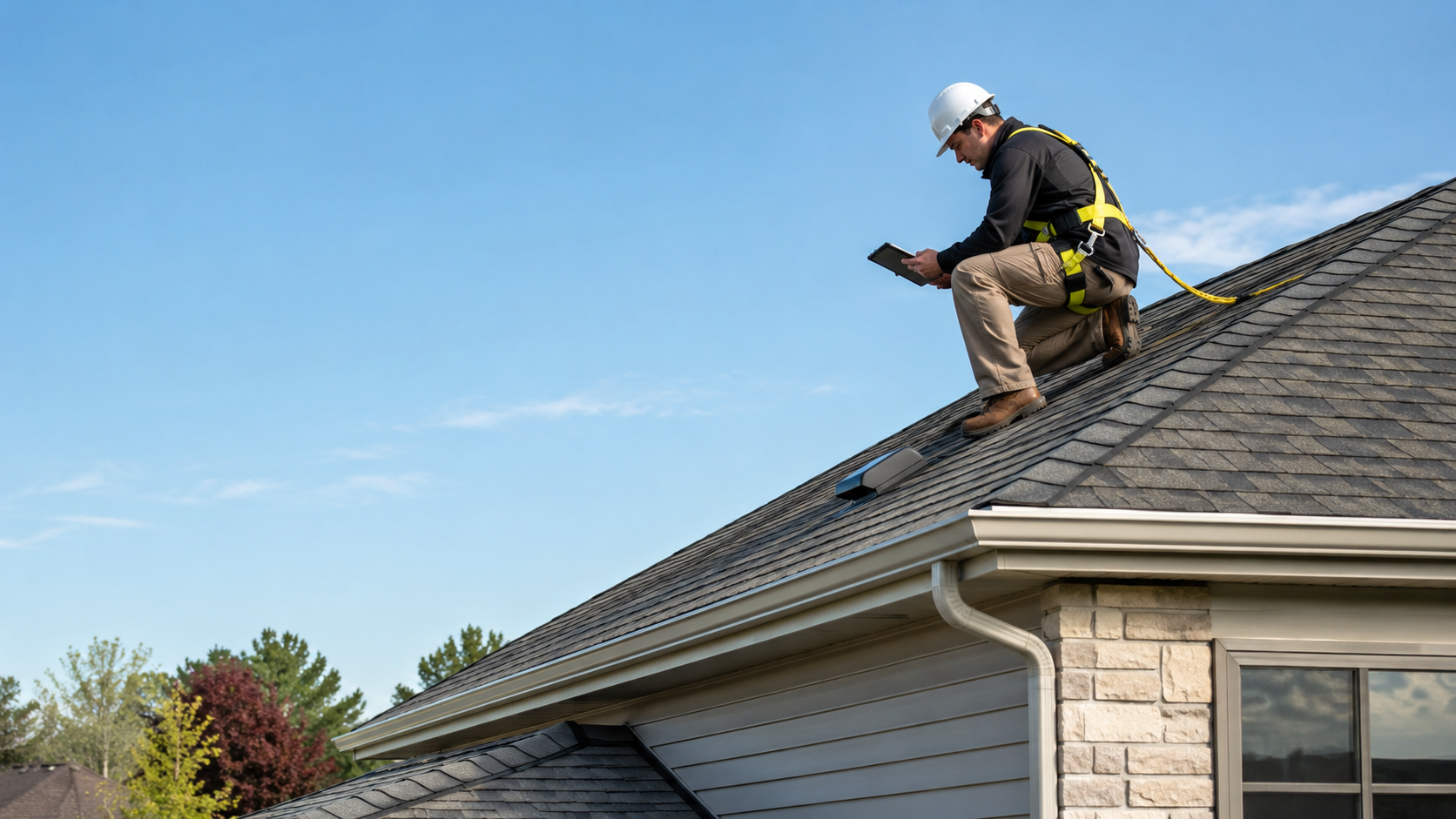
Picture the first proper downpour of autumn. You hear that faint drip in the loft, you spot a dark patch spreading across the ceiling corner, and suddenly you're up a ladder in the wind and rain trying to work out where the water is getting in. It's a miserable job, and it's always worse in the cold months. The truth is, the best time to deal with a leaky or tired roof is when the sun is out and the weather is on your side. Here's why summer is the smart season to get your roof looked at, and what a proper inspection should actually cover.
Why summer beats every other season for roof work
Most people only think about their roof when it starts letting them down. That's usually mid-winter, when a slate has slipped, the gutters are overflowing, and the ceiling is showing water stains. By then you're firefighting.
Summer flips that on its head. Here's how it actually works to your advantage:
- Dry weather means clear access and safe working. Nobody should be scrambling around wet tiles in a gale. Dry conditions let you get up there properly, spend time looking, and fix things safely.
- Materials behave themselves. Sealants, mortar and roofing adhesives cure far better in warm, dry conditions. A repair done in July is a repair that sets and holds. The same job rushed in freezing December often just doesn't bond the way it should.
- You catch problems before they become emergencies. A cracked tile or a bit of failed flashing is a small, cheap fix in June. Left until the November storms drive rain underneath it, that same fault can soak your loft insulation, rot timbers and stain your ceilings.
- No queue. When the weather turns and everyone's roof starts leaking at once, good tradespeople get booked solid fast. Sorting it in summer means you're not waiting in line behind a hundred other emergencies.
Think of it like a car service. You don't wait for the engine to seize on the motorway. You get it checked while everything's running fine, so small worn parts get sorted before they fail.
What the Gloucestershire weather does to your roof
Roofs round here take a proper beating. We get wet winters, damp valleys, and a lot of older properties with roofs that have seen decades of Gloucestershire weather. Many homes across Gloucester and the surrounding villages have older tiles, ageing mortar and traditional detailing that simply wear out over time.
What tends to go wrong locally:
- Slipped or cracked tiles and slates after windy spells, leaving gaps where water sneaks in.
- Failed pointing and ridge mortar, common on older roofs where the original bedding has crumbled.
- Worn flashing around chimneys, where the lead or sealant that keeps the joint watertight has lifted or split.
- Blocked or sagging gutters clogged with moss and leaves, so rain spills down the wall instead of draining away.
- Moss build-up that holds moisture against the tiles and speeds up the wear.
One damp summer followed by a hard frost is enough to turn a hairline crack into a broken tile, because water gets in, freezes, expands and prises things apart. Catching it while it's dry breaks that cycle.
What a proper roof inspection should cover
A real inspection is more than a quick glance from the pavement. A thorough check works through the roof in a sensible order so nothing gets missed:
- The tiles or slates. Looking for anything slipped, cracked, chipped or missing, and checking whether the covering still sits flat and secure.
- The ridge and hips. Checking the mortar or ridge fixings along the top of the roof, since this is where a lot of older roofs start to fail.
- Flashing and joints. Inspecting around chimneys, vents and where the roof meets a wall. These joints are the usual suspects for hidden leaks.
- Gutters, fascias and soffits. Making sure water is actually being carried away, and that the timber and boards behind the guttering aren't rotting.
- The loft space from inside. Some of the clearest clues live up in your loft: daylight coming through, damp timbers, water marks on the underside of the felt, or damp insulation.
- Moss and debris. Noting where growth is trapping moisture and whether it needs clearing.
At the end you should get an honest picture: what's fine, what needs watching, and what genuinely needs doing now. No scare tactics, no invented problems. Just a straight answer.
Want your roof inspected before summer ends?
Call us on 07969 359683 for a free, no-obligation quote — or WhatsApp us directly.
Small fix now, or big bill later
This is the part people underestimate. A roof problem rarely stays a roof problem. Once water finds a way in, it travels.
Here's the typical chain of events when a small fault gets ignored:
- A single slipped tile lets rain into the loft.
- The insulation gets wet and stops doing its job, so the room below feels colder and your heating works harder.
- The roof timbers stay damp and, over time, start to rot.
- Water tracks down into the ceiling below, staining plaster and eventually bringing it down.
- Now you're not paying for a tile. You're paying for a tile, new insulation, timber repairs and replastering.
A quick summer fix stops that whole story before chapter one.
Getting your roof summer-ready: a simple checklist
You don't need to climb up there yourself. From the ground, and from inside your loft, you can already spot a lot. Have a look for:
- Tiles or slates that look out of line, cracked or missing.
- Green moss spreading across large sections of the roof.
- Gutters that are sagging, overflowing or sprouting weeds.
- Water stains or dark patches on upstairs ceilings and in wall corners.
- Daylight visible through the roof when you're up in the loft.
- A musty, damp smell in the loft or top-floor rooms.
If any of those ring a bell, that's your cue to get a proper look done while the weather's still kind.
And while you're thinking about the warmer months, it's worth handling the whole house as one. If a south-facing room turns into a greenhouse by mid-afternoon, summer is also the sensible time to plan cooling — whether that's a well-placed pergola to keep the house cooler or air conditioning. Sorting the roof and the summer comfort jobs in the same warm window makes good sense.
Why one accountable person makes the difference
Roofing goes wrong when it's rushed or handed off between disconnected people who each blame the next. Too many jobs get patched by whoever's cheapest that week, with nobody really owning the result.
Matt does it differently. His background with REME and the RAF drummed in real precision and accountability, and that carries through to every roof he looks at. Because he's on site and personally overseeing the work, the trades stay in the right sequence and he stands behind what he does.
There's no job too small. A single slipped tile is as welcome as a full re-roof. As a family-run Gloucester business without the overheads of a big national firm, you get quality workmanship without the national-company price tag.
Common questions
How often should I get my roof inspected? Every couple of years is sensible for most homes, and sooner if yours is an older property or you've had a stormy spell. A quick check after a bad winter is always worth it.
My roof isn't leaking, so why bother now? Because a leak is the last symptom, not the first. By the time water is coming through, the damage has often already started underneath. Summer inspections catch the early signs while repairs are still small.
Can you inspect and repair in the same visit? Often, yes, for straightforward jobs like a slipped tile or a bit of pointing. For bigger work you'll get an honest picture and a realistic timeline rather than a rushed fix.
Is summer really that different for the actual repair? Yes. Dry, warm conditions let sealants and mortar cure properly and make working safe. A repair that sets well in summer is far more likely to still be holding when the storms come.
"Excellent service — timekeeping and attention to detail. Will definitely recommend to friends and use again, again and even again!"— Wendy Lewis, Google Review
The practical takeaway
Your roof is easiest, safest and cheapest to sort when the sun's out and nothing's gone badly wrong yet. A proper summer inspection catches the small faults, keeps your loft and ceilings dry through the wet Gloucestershire months, and saves you from a scramble when the first storm hits. If you've spotted a slipped tile, a stubborn damp patch, or you just haven't had the roof looked at in years, get in touch and we'll take an honest look together.